
Compressed Air and Vacuum - Sales & Service
Greensboro • Lynchburg • Rocky Mount • Charlotte • Richmond |
Servicing VA, NC and SC
Complete Medical Air, Vacuum & Gas System Solutions
Plan, Upgrade & Support Reliable NFPA 99 Medical Air, Vacuum & Gas Systems
Medical air, vacuum, and gas systems must deliver dependable performance across critical healthcare and laboratory environments.
Lewis Systems helps hospitals, laboratories, dental facilities, universities, and research campuses plan, install, maintain, and upgrade complete systems, from source equipment and air treatment to pipeline components, controls, alarms, and ongoing service.
Whether you are replacing aging equipment, expanding capacity, upgrading pipeline components, or addressing recurring reliability concerns, our team helps you determine the right solution for the complete system.
One Partner for Your Complete Medical Air and Gas System
Reliable system performance depends on more than a compressor, vacuum pump, or pipeline component. Every part of the system must work together to deliver the required air quality, pressure, capacity, monitoring, redundancy, and reliability.
Medical Air Systems
Maintain the air quality, pressure, capacity, and redundancy your facility requires with compressors, dryers, filtration, receivers, monitoring, and controls.
Medical Vacuum Systems
Maintain dependable suction across patient-care, surgical, dental, and laboratory applications with vacuum equipment configured around demand, redundancy, space, and service access.
Medical Gas Pipeline Systems
Safely distribute and monitor medical gases and vacuum with outlets, alarms, zone valves, manifolds, regulators, controls, and replacement components.
Installation, Service & System Support
Plan new systems, coordinate upgrades, maintain existing equipment, and address reliability issues with one partner throughout the life of the system.
Lewis Systems considers how the equipment, pipeline, controls, service requirements, and future demand work together, helping your facility address immediate needs while planning for long-term reliability and applicable NFPA 99 requirements.
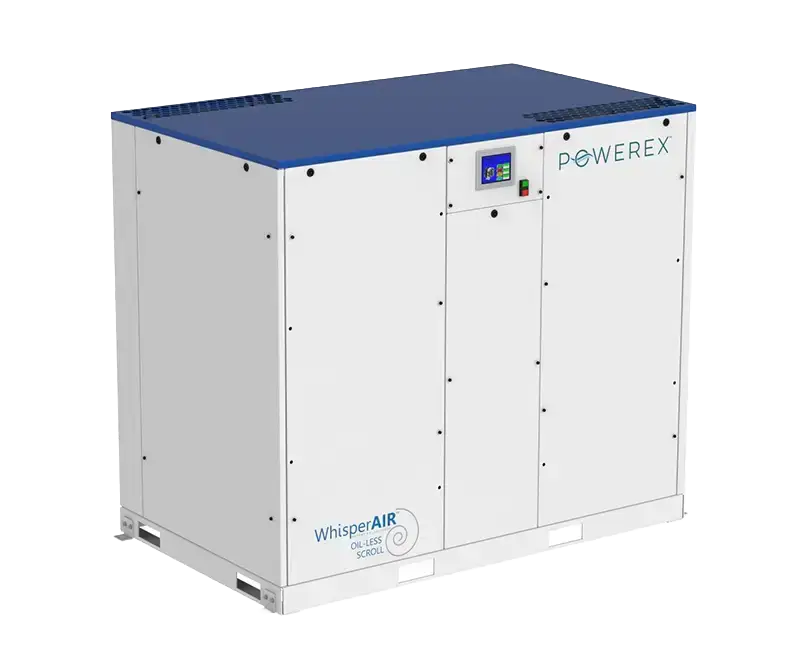
Medical Air Compressors
Maintain Reliable Air Quality, Pressure, and Capacity
Your medical compressed air system must provide dependable performance whenever it is needed. Lewis Systems helps facilities select, install, and support complete medical air systems based on demand, redundancy, air quality, available space, and future growth.
Our solutions include:
- NFPA 99 compliant oil-less scroll and reciprocating air compressors
- Duplex, triplex, quadplex, and custom system configurations
- Air receivers, dryers, filters, and treatment components
- Dew point, carbon monoxide, and system monitoring
- Integrated controls and alarm capabilities
- Open, enclosed, tank-mounted, and skid-mounted packages
- Equipment replacement and capacity expansion solutions
- Preventative maintenance and repair support
Rather than simply matching the size of your existing compressor, our team considers how the full system is operating and what your facility will require moving forward.
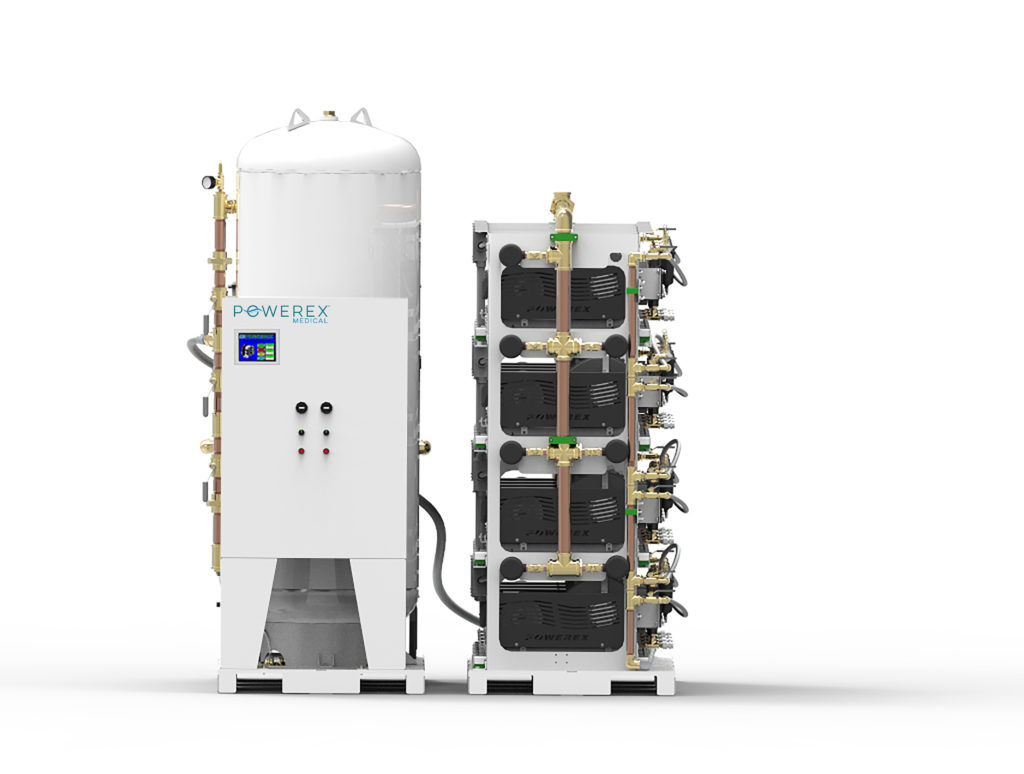
Medical Vacuum Systems
Reliable Medical Vacuum Equipment for Critical Care, Dental, and Laboratory Applications
Medical and laboratory vacuum systems must maintain dependable suction across changing demand conditions. Declining performance can affect patient-care areas, surgical spaces, dental procedures, laboratories, and other critical applications.
Lewis Systems provides medical vacuum solutions that include:
- Multiple-pump systems for reliability and redundancy
- Integrated receivers and control panels
- Vertical and horizontal tank-mounted packages
- Modular and skid-mounted system configurations
- Intake and exhaust connection planning
- Equipment selected around available floor space
- Replacement systems for aging vacuum equipment
- Maintenance, repair, and troubleshooting support
When vacuum performance changes, our team can help determine whether the issue is related to the pump package, controls, receiver, distribution system, changing demand, or another part of the system.
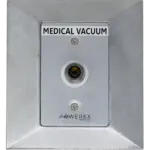
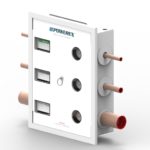
Medical Gas Pipeline Solutions
Safely Distribute, Control, and Monitor Medical Gases and Vacuum
Source equipment is only one part of a complete medical gas system. Pipeline components must also deliver, isolate, regulate, and monitor medical gases and vacuum throughout the facility.
Lewis Systems works with trusted manufacturers, including Powerex, Tri-Tech Medical, and Amico, to provide complete medical gas pipeline solutions.
Available equipment and components include:
- Medical gas outlets and inlet connections
- Area and master alarm systems
- Zone valve boxes and isolation valves
- Automatic and manual manifolds
- Gas control panels
- Regulators, gauges, and pressure switches
- Pipeline accessories and replacement components
- Retrofit solutions for aging or obsolete equipment
Replacement options are available for many common connection styles, including DISS, Ohmeda, Chemetron, Puritan Bennett, Oxequip, and Medstar.
Our team can help evaluate compatibility, installation requirements, serviceability, and long-term support before you select replacement pipeline components.
Medical Compressed Air & Vacuum Service
Maintain Reliability Beyond Installation
Even a well-designed system requires consistent maintenance and knowledgeable support.
Lewis Systems helps facilities move from reactive repairs toward a more dependable and planned maintenance approach.
Our medical air and vacuum service capabilities include:
- Preventative maintenance
- Compressor and vacuum pump repair
- Equipment troubleshooting
- Control and monitoring support
- Replacement parts and components
- Existing system evaluations
- Equipment replacement planning
- Support for changing demand and system expansions
- Service coordination around facility operations
- Long-term maintenance planning
When a system problem occurs, we look beyond the immediate symptom to help identify the underlying cause and reduce repeat issues.
Frequently Asked Questions About Medical Air & Gas Systems
A: Yes. All medical systems we provide meet or exceed NFPA 99 for medical gas and vacuum equipment, ensuring full compliance and patient safety.
A: Absolutely. Our factory-certified technicians provide turnkey installation, preventative maintenance, and ongoing service to ensure your systems remain safe, compliant, and efficient.
A: Lewis Systems supports medical facilities across North Carolina, South Carolina, Virginia, and West Virginia, providing fast response times and local expertise.
A medical air compressor is part of a dedicated system designed to produce clean, dry air for healthcare applications. Medical air systems typically use oil-less compression and include dryers, filtration, receivers, controls, alarms, air-quality monitoring, and redundant compressors to support applicable NFPA 99 requirements.
A standard industrial air compressor is generally designed to power tools, machinery, or production processes and may not include the treatment, monitoring, redundancy, and safety controls required for medical air.
Hospital medical air compressors generate the medical air distributed through the facility’s pipeline system. Medical air may be used for mechanical ventilation, as a carrier gas during anesthesia, and to operate nebulizers that deliver inhaled medications.
Hospitals may also use separate instrument or surgical air systems to power pneumatic surgical tools and other specialized equipment. The system must be selected and maintained according to its specific clinical application and applicable requirements.
Common medical air compressor technologies include oil-less scroll compressors and oil-less reciprocating piston compressors. Some healthcare facilities may also use other oil-free technologies, such as rotary tooth systems.
Scroll compressors are often selected for quiet operation, a compact footprint, and fewer moving parts. Reciprocating systems can provide dependable performance across a broad range of capacities. The right technology and configuration depend on the facility’s air demand, available space, redundancy requirements, maintenance needs, and future growth.
Yes. Lewis Systems can evaluate existing equipment, controls, capacity, treatment, available space, and service history before recommending an upgrade. Solutions may include replacing individual components, increasing capacity, updating controls, or installing a complete replacement system.
Locations

