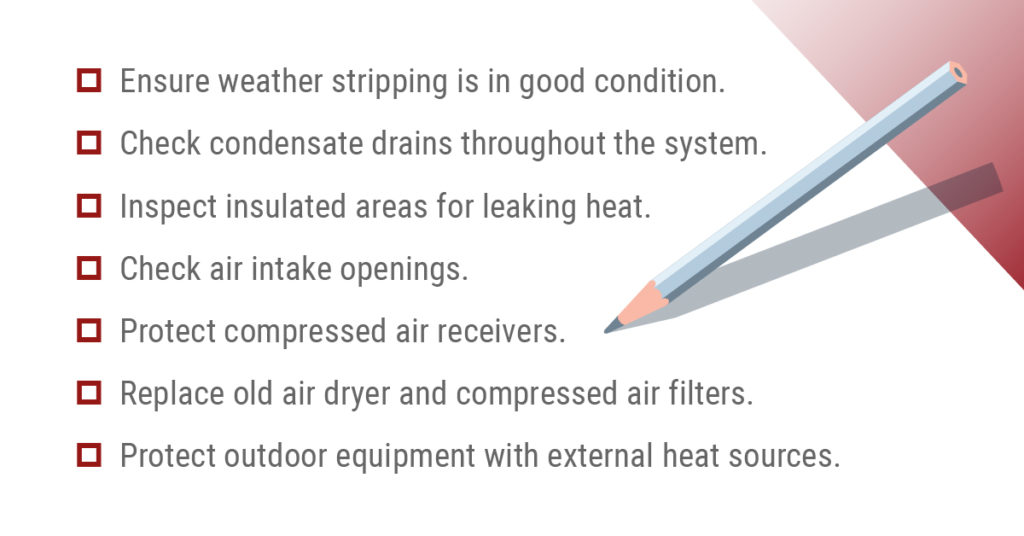

As the days get longer and the temperature rises, it’s the perfect time to ensure your air compressor is in top shape for the warmer months ahead. Spring maintenance isn’t just about cleaning up after the winter; it’s about setting your compressor up for efficient performance throughout the season. Proper maintenance now can help you avoid costly repairs and downtime later, ensuring your system runs smoothly all year long.
Here’s why spring maintenance matters and the key steps you should take to prepare your compressor for the warmer months.
- Clean or Replace Intake Filters
Winter debris can clog intake filters, restricting airflow and reducing compressor efficiency. Over time, this can lead to overheating and unnecessary wear. Cleaning or replacing filters at the start of spring ensures your compressor runs optimally, preventing strain on internal components.
- Inspect and Clear Condensate Drains
Condensate drains can get clogged with moisture and debris, leading to potential system failures. During spring maintenance, it’s essential to check both manual and automatic condensate drains to ensure they are clear and functioning properly. This will prevent moisture buildup, which can damage your equipment and reduce its lifespan.
- Check for Corrosion or Rust
The transition from cold to warm weather can cause humidity shifts, leading to rust and corrosion on your compressor’s pipes, tanks, and fittings. These issues can compromise the integrity of your system, leading to leaks and costly repairs. Inspect your equipment thoroughly for any signs of rust or corrosion and address them before they become a bigger problem.
- Verify Moisture Separators and Aftercoolers
Moisture separators and aftercoolers play a crucial role in ensuring the air your compressor produces is clean and dry. If these components are not functioning properly, moisture can contaminate the system, causing corrosion and affecting product quality. Verify that both are working efficiently and clean them as needed to maintain peak performance.
- Inspect Outdoor Piping and Insulation
Cold weather can damage outdoor piping and insulation, leading to leaks and energy loss. Check all outdoor piping for cracks or damage caused by freeze/thaw cycles and ensure insulation is intact. Proper insulation will help maintain efficient airflow and prevent energy waste.
- Rebalance Ventilation Fans
Proper airflow is critical for maintaining the right operating temperature for your compressor. Over the winter, dust and debris can accumulate in ventilation fans, restricting airflow. Rebalance the fans and clean them to ensure your system stays cool and runs efficiently during the warmer months.
- Inspect Belt Tension and Condition
Cold weather can cause belts to contract, leading to misalignment or increased wear. Check the tension and condition of your belts during spring maintenance to prevent failures and ensure smooth operation.
- Perform a Leak Audit
Leaks in your compressor system can lead to pressure loss, reduced efficiency, and higher energy costs. Perform a comprehensive leak audit to identify and fix any issues. A small leak might seem insignificant, but it can add up over time, leading to unnecessary costs.
Get Ready for Summer with Spring Maintenance
Spring maintenance is more than just a routine check-up; it’s an essential step in ensuring the longevity and efficiency of your air compressor system. By taking proactive measures now, you can avoid unexpected breakdowns, extend the life of your equipment, and save money in the long run.
Don’t wait for a breakdown to remind you of the importance of maintenance. Schedule your spring maintenance today and get your compressor ready for the demands of summer!